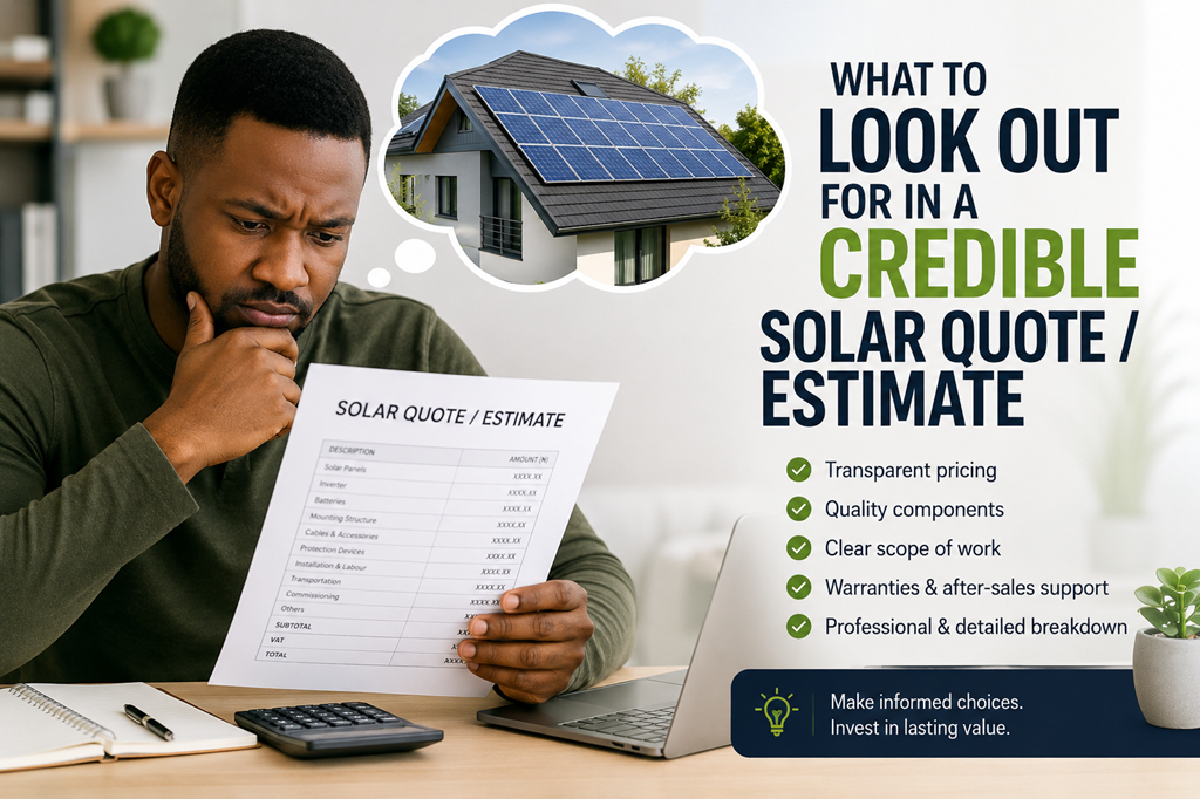
What To Look Out For In A Credible Solar Quote / Estimate
A Solar Quote Is More Than Just a Price
Shopping for a solar energy system is fundamentally different from buying standard household appliances. When you purchase a television, refrigerator, or air conditioner, you know exactly what you are taking home. The product is factory-built, its features are static, and once it is plugged in, there are rarely any surprises.
Solar is different. You aren't just buying equipment off a shelf; you are investing in a custom micro-power plant that must be precisely engineered, installed, and commissioned to suit your specific property design and energy demand. This is why the technical quotation, which is usually called a solar estimate or quote, is the most important document in your solar installation journey.
Unfortunately, many buyers only look at one line: the final price tag. They collect two or three estimates, pick the lowest installation cost, and assume they’ve won, only for the cracks to start showing months or even years later.
- The system underperforms or drops out during peak loads.
- The warranty period is lower than the norm.
- After-sales support is almost not existent or very poor
- The solar items delivered didn't match the premium models promised verbally.
- Hidden fees crop up mid-installation for "unexpected" structural modifications.
- Features assumed to be standard (like mobile app monitoring) are suddenly treated as paid add-ons.
Many of these client-installer post installation issues are not always due to malicious dishonesty. Many attimes, they arise because the solar quote was vague, incomplete, or built on unverified assumptions that both the solar installer nor the client took the time to clarify.
Why a Detailed Solar Quotation Matters
If you go through many consumer complaint boards and renewable energy forums online, issues that wouldn't have existed if the solar quote was explicit is what you will mostly find. Such as a client expecting the system to run their AC overnight, only to find out during use that the system was mainly designed for essential lighting and refrigeration.
The Golden Rule of Solar Procurement, which forms the basis of a credible solar quotation, does far more than list the solar items (inverter, battery and panels) and costs. It establishes a legally binding, technical baseline before any money changes hands. It outlines exactly what is being supplied, how it will be integrated, the design limits of the system, and what both parties are responsible for.
Why Solar Quotes From Different Solar Companies Differ Greatly
One of the biggest mistakes is when prospective clients think that every solar company pitching for an installation is offering the exact same system. In reality, two installers can look at the same property and recommend different types of systems, or systems that look similar (in size) but offer different capabilities based on unique needs.
One company might propose a budget-conscious 5kW solar array paired with a low-voltage lithium battery pack. Another might look at your roof orientation and propose a 5kW high-voltage string array with a parallel-ready hybrid inverter to allow for future expansion.
One installer might use for high grade solar panels. Even though almost every panel claims to have a 25-year manufacturer warranty, their lower heat tolerance, actual output, and efficiency after many years can only be found out after money has exchanged hands and the installation has been completed.
Battery Capabilities: Two quotes might both list a "10kWh Lithium Battery," but one uses premium LiFePO4 cells with a smart Battery Management System (BMS) that lets you safely use 90% of the energy. The other uses a low-tier pack that can degrade much faster, especially under heat. This is pricing discrepancy is usually reflected in the battery manufacturer and model.
Balance of System and Protections: Cheaper quotes might not include the recommended installation accessories and protections, which you can't easily see. They might not use heavy-duty surge protectors, use thinner DC cabling (4mm instead of 6mm or 6mm instead of 10mm, which causes power loss and dangerous heat buildup), or go for cheap iron racks that will rust within two seasons instead of marine-grade, non-corrosive aluminum mounting structures.
Comparing solar quotes purely on the final price is like comparing two buildings based solely on their square footage without checking the structural integrity, location, or materials used.
Solar design is a precise engineering exercise. A reputable installer or solar company should always back up their numbers by showing exactly how your historical energy consumption, peak surge demands, roof shade factors, and future expansion plans dictated their design.
Solar Estimate vs. Solar Quotation: Is There a Difference?
Although they are used interchangeably, there is a difference between these two terms.
A solar Estimate is an approximate cost projection of the solar installation based on preliminary data. It is a base figure before a physical site inspection is carried out or detailed information is obtained.
A solar Quotation is a firm commercial offer generated after a comprehensive site audit or after obtaining every other relevant information. The installer here knows excatly what to expect and can better calculate cable length, types of solar component with distinct features to use (eg dual output inverters, dual or single MPPTs, need for anti-shading panels, etc).
What Should a Professional Solar Quotation Include?
1. Administrative Details
A professional quote should have the clients information such as address, name, contact, etc. It can also contain a validity period.
2. Itemize Solar Components And Features
If a quote simply says "Solar Panels" or "Lithium Battery," treat it as a massive red flag. A credible document explicitly itemizes each of the solar items (inverter, battery, panels), sizes, and models, if applicable. E.g., N-Type TOPCon or ABC technology, wattage, quantity, and size of array, etc. It should also include their prices.
Inverters: Brand, model number if applicable, continuous output rating, surge capacity, and configuration (transformer-based, hybrid, grid-tied).
Battery Storage: Manufacturer, nominal capacity versus usable capacity at a specified Depth of Discharge (DoD), voltage, and quantity.
3. Clear Scope of Work
The scope of work defines where the installer's job begins and ends. A comprehensive quote outlines everything from logistics, structural mounting, and DC/AC electrical wiring to final commissioning, utility approval filings, and user training.
Just as importantly, it should list exclusions if applicable. If your home requires an unvented roof repair, electrical repairs and upgrades, or an internet repeater installed to enable remote monitoring, the quote should clearly state whether these items are included or if they are the client's financial responsibility.
4. Transparent Pricing & Design Rationale
While lump-sum totals are common, a highly credible quote provides a clear breakdown of major sub-systems: the solar array, the inverter, the battery bank, and other installation or engineering/labor fees. This transparency allows you to see exactly where your money is going to and makes planning for future upgrades much easier.
5. Warranty
A credible solar quote should also state the warranty information of each of the major solar components in the installation.
A Good Solar Quote Reflects the Quality of the Installer
A solar installer that takes the time to audit your electrical system, check your roof shading, assess your peak daytime loads and usual running loads, and present a well structured technical proposal is very likely to bring that same level of expertise and care in the actual installation.
Likewise, a sloppy, single-page estimate with vague descriptions and lump-sum price tags leaves out a lot of important aspects in the dark. If an installer cuts corners on paper, they are highly likely to cut corners in the actual deployment.
How to Compare Solar Quotes Properly (Line-by-Line)
To protect your investment, look past the final number at the bottom of the page and conduct a rigorous, line-by-line check:
- Total Panel Power: Are both companies offering the same total peak wattage, or is one offering a lower solar power size to make the price look smaller? Don't look at the number of solar panels but the total size of the total array - total size of all the panels.
- Usable Storage vs. Total Storage: Is the battery capacity stated as nominal (gross) or usable? You need to know exactly how many kilowatt-hours are actually available to power your home. Most people do not know the actual energy stored in different sizes of lithium batteries.
- Inverter Features: Is the inverter a high-efficiency, modern hybrid model, or an older, less efficient type that will limit your ability to add more panels or batteries later? What speciific feature does one have over the other?
- Installation and Safety Gear: Are safety components like DC/AC circuit breakers, fuses, and changeover switches clearly itemized? What is the size of wire to be used?
- Warranty and Aftersales Services: How many years warranty are each installer giving for their respective products. What is their aftersales support like?
Look Beyond What Is Written And What Is Left Out
If you analyse many solar project disputes, you will discover that the issue is not usually because of one party outrightly lying. Many times, it is due to critical omissions from one of the parties involved or clever coverups/ommission from the installer to look cheaper.
If a quote doesn’t mention internet connectivity, who is responsible for running the network link so your monitoring app works? If it glosses over roof structural adjustments, who pays when the installation crew refuses to mount panels on a sagging roof? If the 6.2kva can carry an AC, who is at fault when the number of hours falls short of what the client expected, and the battery drains out by 1.am? What is the warranty period that covers who pays if the inverter starts making weird sounds and needs to be repaired?
A professional solar quote or proposal anticipates these variables and explicitly documents them. The absence of detail should never be interpreted as a silent promise.
Beware of Unrealistic Promises & "Sweet Sales Talk"
Solar energy can be highly predicted, but it bows to the local weather. Therefore, be highly skeptical of very sweet sales pitches like "You will never pay another dime for electricity" or "This system will power your entire house indefinitely." A credible installer will never hide behind marketing hype. Instead, they will walk you through a realistic energy model that accounts for real world sceneros like:
- Seasonal Variations: Telling the client to expect lower solar yields during peak rainy seasons or heavily overcast months.
- Load Management: Explaining exactly which heavy appliances (like air conditioners or water pumps) should run during peak sun hours versus what essential loads the battery bank can support overnight.
- Shading Factors: Identifying neighboring trees or structural walls that might cast shadows and cause power drops.
About The Warranty
A credible solar quote or proposal should not only state how many years of warranty cover each product, but who is providing the warranty - whether it is the installer or the solar company itself, or the manufacturer of the product.
The Importance Of Physical Site Assessment
Any company willing to issue a final solar quote without sending a technician to look at your property or make some well detailed verifications is gambling with your money. The importance of a site assessement or verification settles the following:
- The citing of the main electrical board and the inverter and battery setup
- Better estimate of the cable/wire size, length and routing,
- Sound assessment of the roof strength and inclination. A steeper roof might result in higher installation cost which can lead to dispute on the installation day. Also, solar panels mounted on very steep roofs perfrom poorly and that information must be made known to the client before installation to prevent future disputes.
- The installer better understands the clients unique architecture which can entail a unique type of solar component such as an inverter that supports dual PV ports where one solar array on side side of the roof is connected to one port and another array on another side or section of the roof is connected to a second port for maximum solar harvesting at all times. Or the installer can suggest AIKO's panels for shading issues when the likelihood of obstacles on panels, like leaves is high.
A Shield for Both You and the Installer
A detailed solar quote is a two-way protective shield. For you, it locks in the item and the cost. In many years to come, both the installer and client can compare the prices of each component of the solar with the likely prevalent cost as at that date.
Summary
A credible solar quotation is never just a price list; it is a comprehensive proposal and contract rolled into one. It records the design of the system and specifications, taking into account what it will carry and realistic performance targets.
The most successful solar installations are never those that chase the absolute lowest quote. They are the ones in which both the client and the solar company have a clear understanding of what is installed, why it was designed that way, and how it will perform over the next two decades.
If your current solar quote leaves any of these crucial details in the dark, ask for a revised, itemized breakdown. A true professional will always welcome the opportunity to show you exactly where your investment is going.
Related Articles
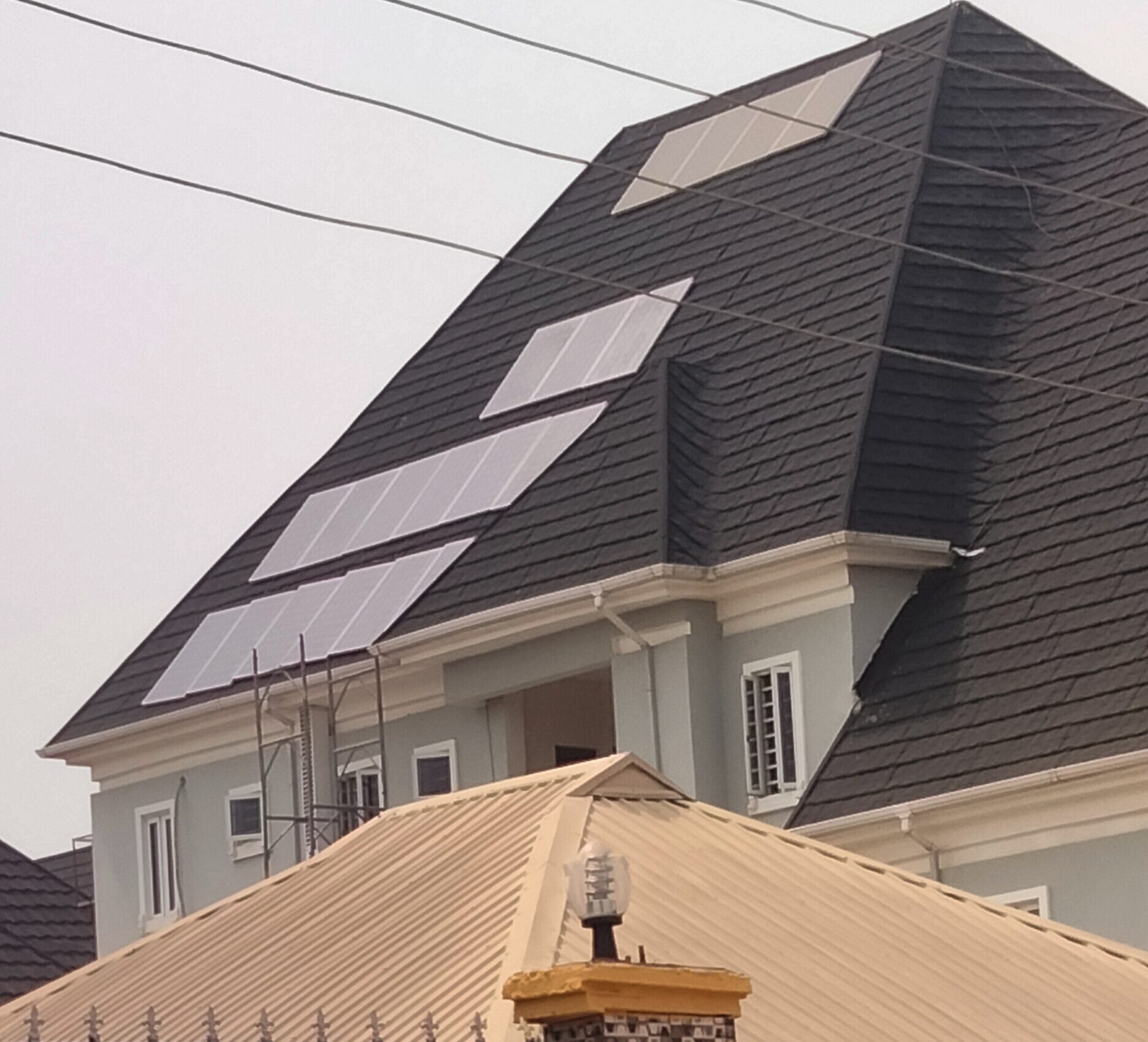
Is Your Steep Roof Pitch Killing Your Solar Panel Energy Output? Why Positioning, Tilt Angle & Direction Matters
Without beating about the bush, the answer is yes. A very steep roof inclination, such as the popular "send down the rain roofs," can reduce...
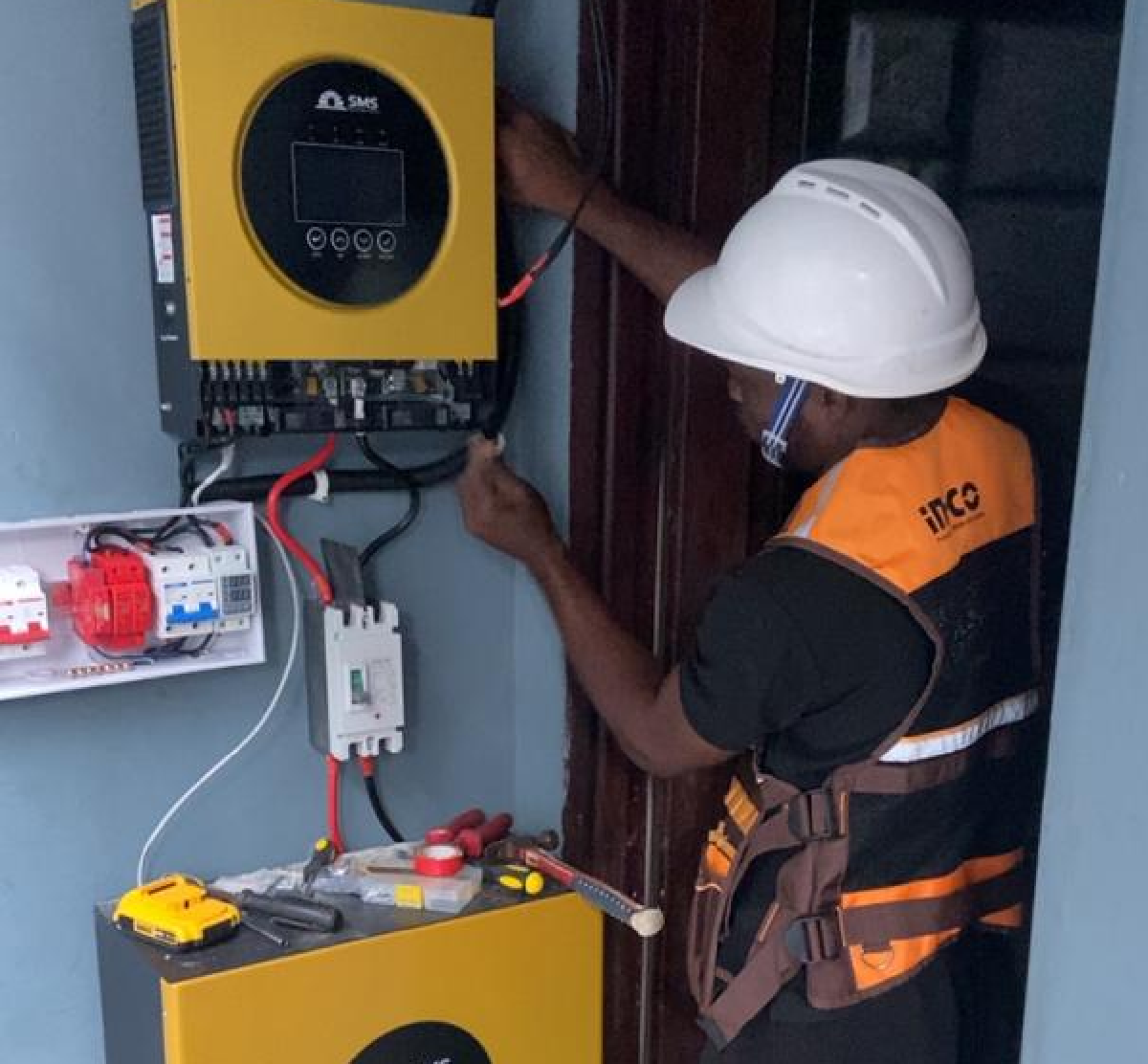
Solar Installation Jobs: Learning These Solar Skills & Training Might Earn You These Pay Grades
The ever-growing popularity of renewable energy and, most importantly, solar energy systems and installations has led to a surge in skill acquisition ...
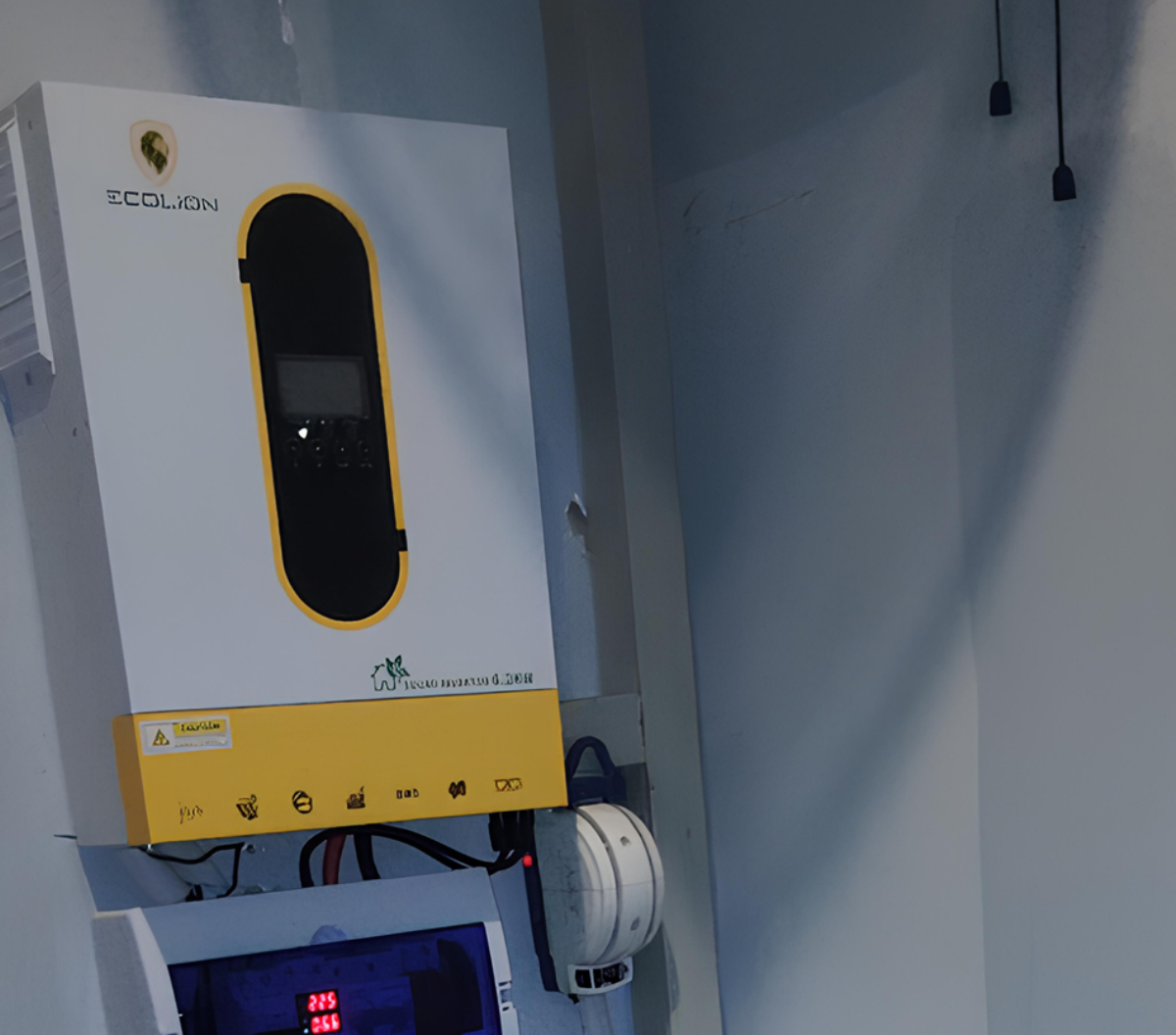
Can I Use Solar Panels & Inverter Without a Battery? Complete Guide to Battery-Free Solar Systems
For many years, the answer to this question was simple: No. If you wanted to run a solar power system, you needed three key components working togethe...