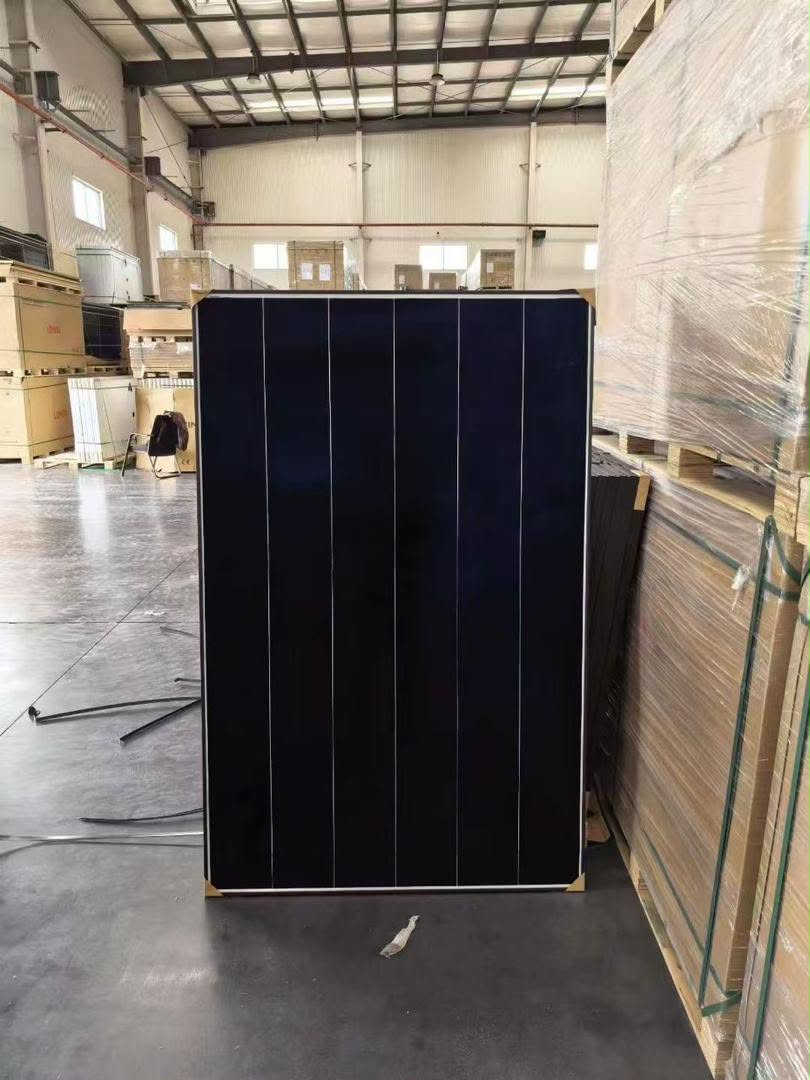
Why AIKO Solar Panels Outperform Jinko, LONGi & Other Tier 1 Brands in Anti-Shading Performance
No doubt, Jinko is one of the best solar panel brands you can buy, as it is known for its very high quality and occupying the top list of tier one panels. However, when it comes to handling shades in many real-life situations, Aiko is the best and can even be rated better than others offering cellular-level bypass, like Longi.
What Makes A Solar Panel Tier 1
A tier one status given to a solar panel brand is not an award for quality or certification per se. The term was created by organizations like BloombergNEF to categorize solar panel manufacturers that have executed very large utility-scale projects, have a very large production output, and are very strong financially.
Looking at these criteria for attaining a tier-1 status, it is almost safe to conclude that they must be of very high quality because they simply cannot reach those goals while lacking in the quality we allude to them for.
Now, in ranking the best solar panels in terms of quality, three standard parameters are used for this rating:
- Module Efficiency - which is how much sunlight the solar panel converts to power.
- Temperature Coefficient - how well the panel performs when it gets hot during high temperatures.
- Bankability & Volume - which is the Tier 1 status we just talked about.
Where Jinko & Aiko Sit In The 2026 List Of Top 10 Tier 1 Solar Panel Names
To help you understand the context of comparing solar panels by anti-shading capability and tier-one status, we have prepared a current list showing Jink and Aiko's positions, according to BloombergNEF (BNEF).
- Jinko Solar
- LONGi Green Energy
- Trina Solar
- JA Solar
- Tongwei (TW Solar)
- Canadian Solar
- Chint Solar (Astronergy)
- Risen Energy
- AIKO Solar
- GCL System Integration
So you can see that according to the tier one ranking, Jinko Solar is the number one, hence it is better than Aiko Solar, which sits in number 9.
How Solar Panels Work And How A Little Shade Affects Overall Performance & Longevity
While we will not get into the very technicalities of how a solar panel converts sunlight to electricity, when this sunlight hits the panel surface, it causes electrons to flow in one direction.
Now, solar panels consist of many cells connected in series. It then happens that if a cell or part of the solar panel is shaded by an obstruction like a leave, pole, antenna, mast, building, chimney, etc, whatever that is capable of casting shadows on the panels, it blocks the free flow of currents not only from that particular cell(s), but from every other cells since they flow in the same direction.
So if the shaded cell loses 30% capability. Every other cell in its string loses 30%. Now that is huge!
It then follows that as these shaded cells act as resistors to the free flow of current, it heats up and create what we call hot spots. These hotspots permanently damage the solar panels, and in worst cases, can lead to a fire outbreak.
To prevent this fire hazard, bypass diodes are put in place to effectively divide the solar panels into different strings and re-route currents around an entire shaded section. The downfall is that large sections of the panel are effectively switched off due to a shade coming from a single leaf.
Half Cut Solar Panels - Jinko's Solution To Shading
The many problems of shading discussed above led to the invention of half-cut solar panels. These types of solar panels are divided into 2 separate, independent sections. If one part is shaded, only that section becomes affected, while the other part continues to work 100%.
The degree of loss on the shaded section is also affected by the quality of the panel itself.
While Jinko uses the half-cut technology, its top-notch engineering does not allow the shaded section to lose its entire 50% capability by an obstruction like a single leaf. Instead, it loses about 16.6%. This is because each section is further divided into strings of cells, and the bypass diode will only throttle that particular string.
Aiko's All-Black Anti-Shading Panels
Aiko had a better solution to shading conditions with the introduction of its latest Gen 2 and Gen 3 ABC (All Back Contact) PV modules. Instead of dealing with whole sections and substrings, it focused on individual cells in the solar panels and allowed electricity to flow through shaded cells with no resistance.
Unlike Jinko, which can lose about 16.6%, Aiko's antishading solar panels will not lose a string of cells, but rather, only that particular cell will be lost, representing about 1.85%.
Aiko still has the standard bypass diode, but it only shuts down sections of the solar panel if many cells on the same string are blocked at the same time.
Currently, every one of Aiko's solar panels in production has their proprietary ABC (All Back Contact) N-type cell anti-shading technology. You do not need to buy a special model.
Anti Shading: Aiko Vs Longi Solar Panels
The only competitor to Aiko in terms of antishading is Longi's Hi-MO X10 series, which uses its HPBC 2.0 (Hybrid Passivated Back Contact). However, it is not every one of Longi's solar panels that comes with this type of cellular anti-shading design, so you must ensure you buy this specific model series.
While Longi has been in the business of producing solar panels (12 years) before Aiko (4 years), Aiko focused on solving shadow issues and invented their anti-shading technology about 2 and a half years ago, as opposed to Longi, which launched theirs about one and a half years ago.
Also, Aiko solar panels have a higher power-to-size ratio, which will be best for a limited roof. space. We witnessed a non-bifacial Aiko solar panel giving more than its rated maximum watts during a live test. And you do not need to break the bank to buy them.
Aside from Aiko and Longi, other solar panel brands that tackle shading at the cellular level include:
- Maxeon / SunPower (Maxeon 3, 6, and 7 Series)
- TCL Solar (Back Contact E-Class Range)
While REC Group's Alpha Pure-R & RX Series is worth mentioning.
Summary
While Jinko is no doubt the market leader in solar panels in terms of overall quality. Aiko, commonly misspelt as Aico, is a relatively new and rising star, and is absolutely worth considering for your solar projects, especially when faced with problems of shading.
Related Articles
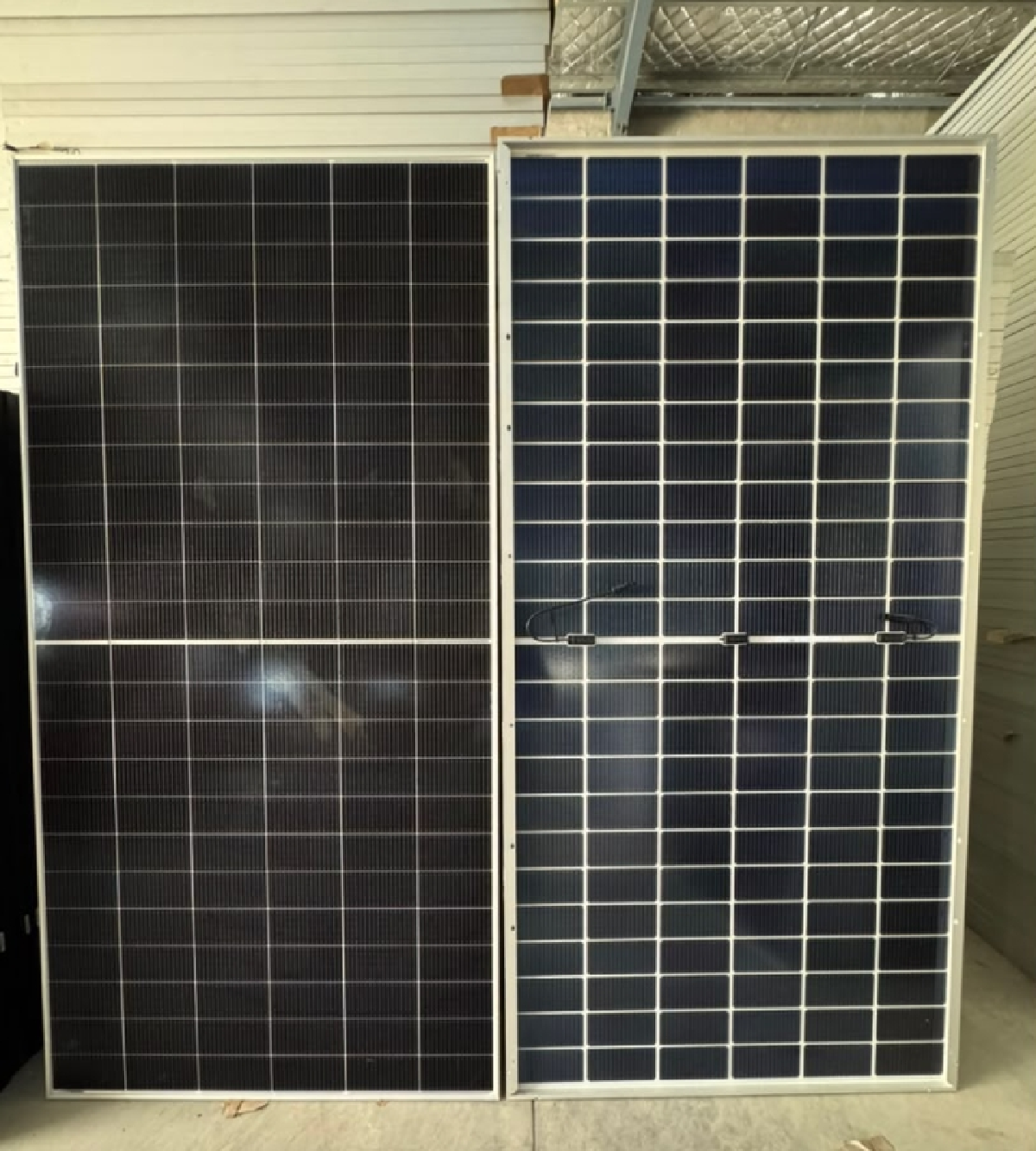
Maxeon, Aiko, LONGi, Leads Top 10 Best Solar Panel Brand
Choosing the best solar panel brand is more than comparing watt size or prices. A high-quality solar panel should produce a considerable amount of out...
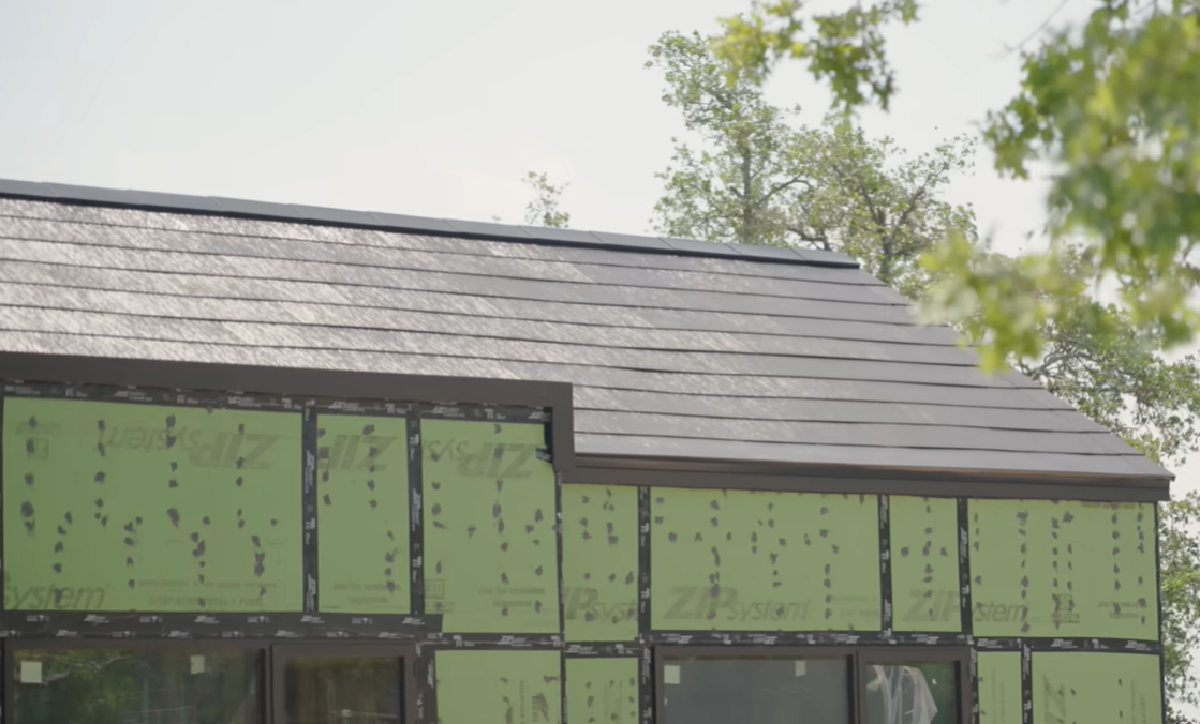
Tesla Solar Panels & Roof Tiles vs Qcells, Maxeon, REC, Jinko & Other Tier 1 Giants: Which Is Better?
When shopping for solar panels in the United States, Tesla is usually one of the names that pops into a homeowner's mind. Elon Musk’s clean-energy...
%20vs%20Sunpower%20Sold%20In%20Alaba%2C%20Lagos%2C%20Nigeria%20-%20Everything%20Solar%20Buyers%20Should%20Know.png?alt=media&token=b798229a-6405-4e60-912e-b33a9dfaeecb)
Original SunPower (Maxeon) vs Sunpower Sold In Alaba: Everything Buyers Should Know
If you have shopped for solar panels in Nigeria, especially in Alaba International Market, you have probably come across the name Sunpower, even for i...