Tesla Solar Panels & Roof Tiles vs Qcells, Maxeon, REC, Jinko & Other Tier 1 Giants: Which Is Better?
When shopping for solar panels in the United States, Tesla is usually one of the names that pops into a homeowner's mind. Elon Musk’s clean-energy venture has made solar look undeniably cool, tying clean energy directly to sleek electric vehicles and the famous Powerwall battery.
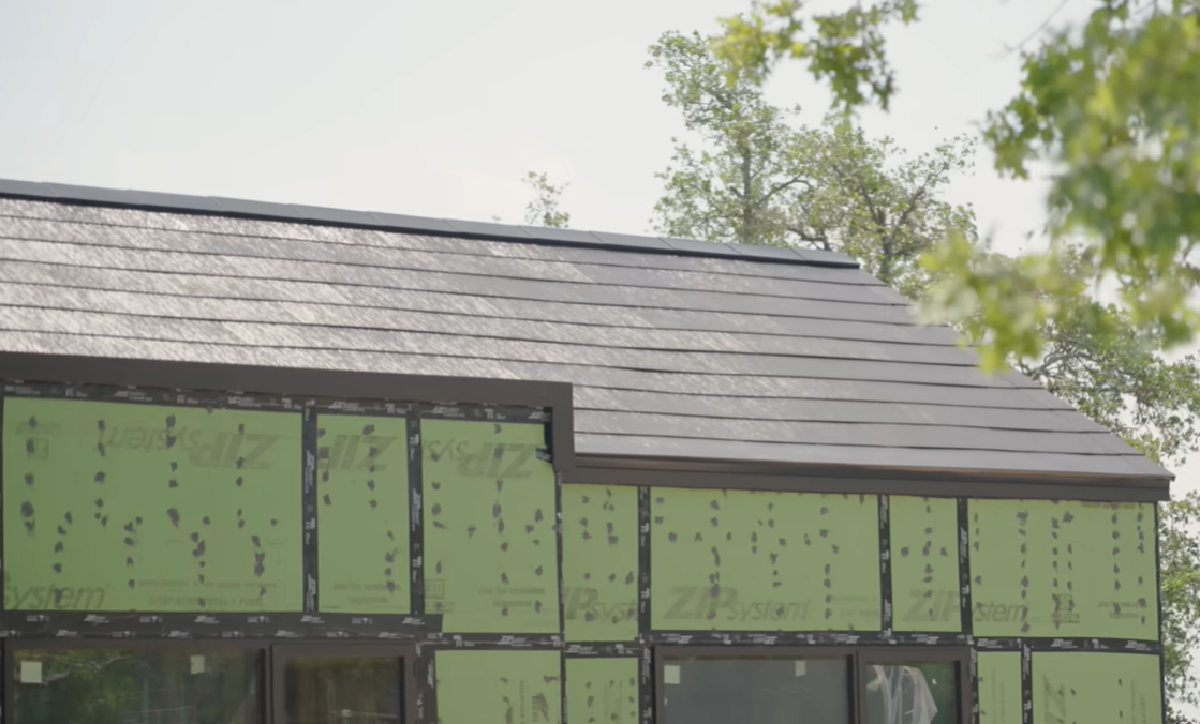
But here is what a lot of people don't know about Tesla solar panels and roofs: Tesla does not actually manufacture the traditional solar panels that are mounted on solar racks. They only manufacture the solar roof tiles that are used to replace your actual roof.
Tesla designs the overall system and the software and outsources its standard solar panels from third-party manufacturers. Meanwhile, dedicated, global Tier 1 solar giants like Qcells, Maxeon, REC, and Jinko have spent decades doing nothing but engineering, innovating, and improving raw solar panel technology.
If you are a U.S. resident who wants to install solar in your home or workplace, the choice isn't about "which panel is shinier." It’s a fundamental choice between buying a closed, sleek ecosystem or building a high-performance, customized, and flexible hardware setup.
Let’s break down how Tesla stacks up against the world's top Tier 1 panels that are popular in the United States, like Qcells, REC, Jinko, LONGi, Canadian Solar, JA Solar, Trina Solar, Silfab, and SunPower's Maxeon, to help you make the right decision.
The Core Difference: Product vs. Ecosystem
Before looking at spec sheets, you have to understand what each side is actually selling to you.
Tesla System: Tesla isn’t just selling you solar panels or solar roofs; they are selling and installing a unified solar ecosystem for you. You will have their solar panels or solar roof tiles, Tesla Powerwall, Backup Gateway, and EV charger all running through the same sleek mobile app.
People liken this to the "Apple approach" to home energy, where everything uniquely works for one brand, talks to each other perfectly, but you have to play by their rules.
Other Tier 1 Solar Panel Companies: Companies like Qcells, Jinko, or LONGi are purely solar panel hardware engineers. They focus entirely on solar cell efficiency, minimizing cell degradation, and maximizing structural durability.
In comparison, you can look at it as the "Android approach," which gives you the freedom to pair an ultra-premium panel with whatever inverter (like Enphase, Victron, SolarEdge, etc) or battery system that fits your budget and roof layout best.
Comparison Between Tesla Panels vs. Other Popular Tier 1 Solar Panel Competitors In The US
1. Tesla vs. Qcells
Qcells is currently the most popular residential solar brand used in the United States.
The Verdict: While Tesla wins on software, Qcells wins on practical, everyday value. Qcells utilizes high-efficiency N-type TOPCon technology, giving you great low-light performance and local U.S. warranty backing at a fraction of premium costs. If you want a dependable system that pays for itself quickly, Qcells is really tough to beat.
2. Tesla vs. SunPower's Maxeon
Maxeon, which originates from SunPower in the U.S., makes what are widely considered as the highest-quality solar panels on earth. However, if you live outside the U.S., you might have to authenticate the true Sunpower brand that you are buying.
The Verdict: If you want raw, unadulterated panel performance, Maxeon beats Tesla hands down. Maxeon uses IBC (Interdigitated Back Contact) architecture, moving all metal grid lines to the back of the cell. This yields an industry-leading 22.8% efficiency and a very long 40-year warranty period. If you have limited roof space and want maximum power output for the next four decades, you should choose Maxeon.
3. Tesla vs. REC (The Installer's Favorite)
REC is a European-founded brand that premium U.S. installers constantly rave about, particularly their Alpha Pure series.
The Verdict: REC panels offer a unique split-cell design that allows the panel to keep producing power even if the bottom half is covered in shade or fallen leaves. Tesla panels suffer significantly more when partially shaded. For complex roofs with trees nearby, REC is the better solar panel choice.
4. Tesla vs. The Global Tier 1 Giants (Jinko, LONGi, Canadian Solar, JA Solar, Trina, Aiko)
These companies represent the backbone of global solar manufacturing. They produce gigawatts of solar panels every single year for massive utility fields and residential roofs alike.
The Verdict: These solar brands offer incredible cost-per-watt savings. If you are comparing a standalone solar array that is free to work with any type of solar components like inverters, batteries, charge controllers, etc, these Tier 1 solar panels will almost always give you a faster return on your investment (ROI) than a Tesla system, simply because you aren't paying a premium for the Tesla brand name.
Aiko and Longi also beat Tesla panels and roofs further with their unique antishading panels.
5. Tesla vs. Silfab Solar (The North American Pure-Play)
Silfab focuses more on the North American residential market, with its manufacturing hubs in Washington and Toronto.
The Verdict: If you prefer a local supply chain and quick access to regional customer service, then Silfab is a better alternative to Tesla's massive corporate customer service lines.
Next, we compare the basic performance datasheet of Tesla solar panels and Tesla solar roofs with popular US and Tier 1 solar panels to see how each performs.
| Solar Brand | Panel Efficiency | Standout Strength | Best Suited For... |
| Tesla | ~19% - 20% for solar panels and 14% - 20% for solar roof tiles. | Flawless smart app & ecosystem integration for Tesla solar system | Tech lovers that want a single, unified system. |
| Qcells | 21% - 22.5% | Great value; major U.S. manufacturing hold. | Everyday homeowners who want a balance of high ROI and domestic support. |
| Maxeon | 22.8% - 24.1% | Very long warranty - 40 years & ultra-premium build quality | Homeowners who want long-term durability and low degradation over decades. |
| REC | 21.5% - 22.3% | Good dual-glass performance in partial shade | Rooflines that are prone to partial and shifting shades like obstructions and trees. |
| Aiko Solar | 23.0% - 25.6% | Industry-leading efficiency in shading conditions using ABC (All Back Contact) technology | Extreme space-constrained roofs needing the absolute maximum wattage per square foot. Best for shading issues. |
| Canadian Solar | 21.0% - 24.8% | Advanced TOPCon 3.0 panel technology with massive global trust | Buyers who want high-wattage, reliable output from an industry leader. |
| Trina Solar | 21.0% - 24.3% | Resilient dual-glass architecture (Vertex S+ series) | Premium residential builds with top-tier N-type tech and excellent product lifetime. |
| Jinko / LONGi | 21.0% – 24.3% | The highest global supplier with a low cost per watt | Maximizing raw power generation on a practical budget. |
| JA Solar | 21.0% – 23.0% | DeepBlue 4.0 Pro stability and strict quality control | High-volume setups focusing on reliable, cost-effective performance. |
| Silfab | 20.5% – 22.7% | Dedicated North American engineering and support | Buyers who prefer localized customer care and domestic warranties. |
When we look strictly at the numbers, you can see that top-tier dedicated solar panels are better than Tesla solar panels and roof tiles:
Warranty
A solar system is at least a 25-to-30-year energy investment. You need to know who stands behind the product if something goes wrong.
Most Tier 1 brands offer two forms of warranty: a Product Warranty that protects the user against physical defects on the panels and a Performance Warranty that guarantees that the panels won't lose more than a stated percentage of their rated power output over the years.
Tesla offers a standard 25-year product and performance warranty. It's safe and competitive, and is safely backed by its brand itself.
However, many Premium solar brands offer the same or longer warranty period than Tesla. Maxeon offers up to a 40-year warranty, while REC and Silfab offer up to 25 or 30 years when installed by a certified premium installer.
Furthermore, Tier 1 performance warranties often guarantee a lower annual degradation rate, meaning their panels will physically produce more electricity in Year 25 than Tesla’s will.
Customer Service & Installation Flexibility
If you buy directly from Tesla, you are locked into Tesla alone. You follow their scheduling and can access only their customer support. While this can be a great service for personalization, it removes that freedom. In 2019, 21% of Tesla solar users said they were not happy with the speed of their service.
If you choose a Tier 1 panel (like Qcells or REC), you can shop around and compare local, independent, certified solar installers in your state, get certified professionals that answer your calls and quickly attend to your needs, and get custom engineering tailored to your specific local net-metering rules. You even have the flexibility to mix different types of solar energy components for your installation.
However, Tesla has a bonus on its Powerwall battery that you can pair it with other solar panels. You don't have to buy Tesla panels to get a Tesla battery.
Final Verdict: How to Choose Like a Pro
To make your final decision as a U.S. resident, look at your specific home goals:
Choose Tesla if:
- You want the "Apple" experience: You love premium software, you are a Tesla fan, you already drive a Tesla EV, you want a Powerwall, and you want to look at exactly one clean mobile app to monitor your entire life's energy footprint.
- Your roof is superb for solar: You have zero shade issues, an uncomplicated roofline, and you are comfortable dealing with a large corporate customer service system.
Choose a Tier 1 Brand (Qcells, Maxeon, REC, etc.) if:
- You want maximum electricity for your dollar: You care about squeezing every drop of efficiency out of your roof space and getting the cheapest and fastest possible payback period.
- Your roof is not simple: You have partial shading (go with REC), limited space requiring high efficiency (go with Maxeon), or you want to support domestic manufacturing (go with Qcells or Silfab).
- You want very fast local support: You want a trusted local installer who will handle your queries quickly, service your roof personally, and customize the system specifically for your household's electrical loads.
Related Articles
Maxeon, Aiko, LONGi, Leads Top 10 Best Solar Panel Brand
Choosing the best solar panel brand is more than comparing watt size or prices. A high-quality solar panel should produce a considerable amount of out...
%20vs%20Sunpower%20Sold%20In%20Alaba%2C%20Lagos%2C%20Nigeria%20-%20Everything%20Solar%20Buyers%20Should%20Know.png?alt=media&token=b798229a-6405-4e60-912e-b33a9dfaeecb)
Original SunPower (Maxeon) vs Sunpower Sold In Alaba: Everything Buyers Should Know
If you have shopped for solar panels in Nigeria, especially in Alaba International Market, you have probably come across the name Sunpower, even for i...
Why AIKO Solar Panels Outperform Jinko, LONGi & Other Tier 1 Brands in Anti-Shading Performance
No doubt, Jinko is one of the best solar panel brands you can buy, as it is known for its very high quality and occupying the top list of tier one pan...