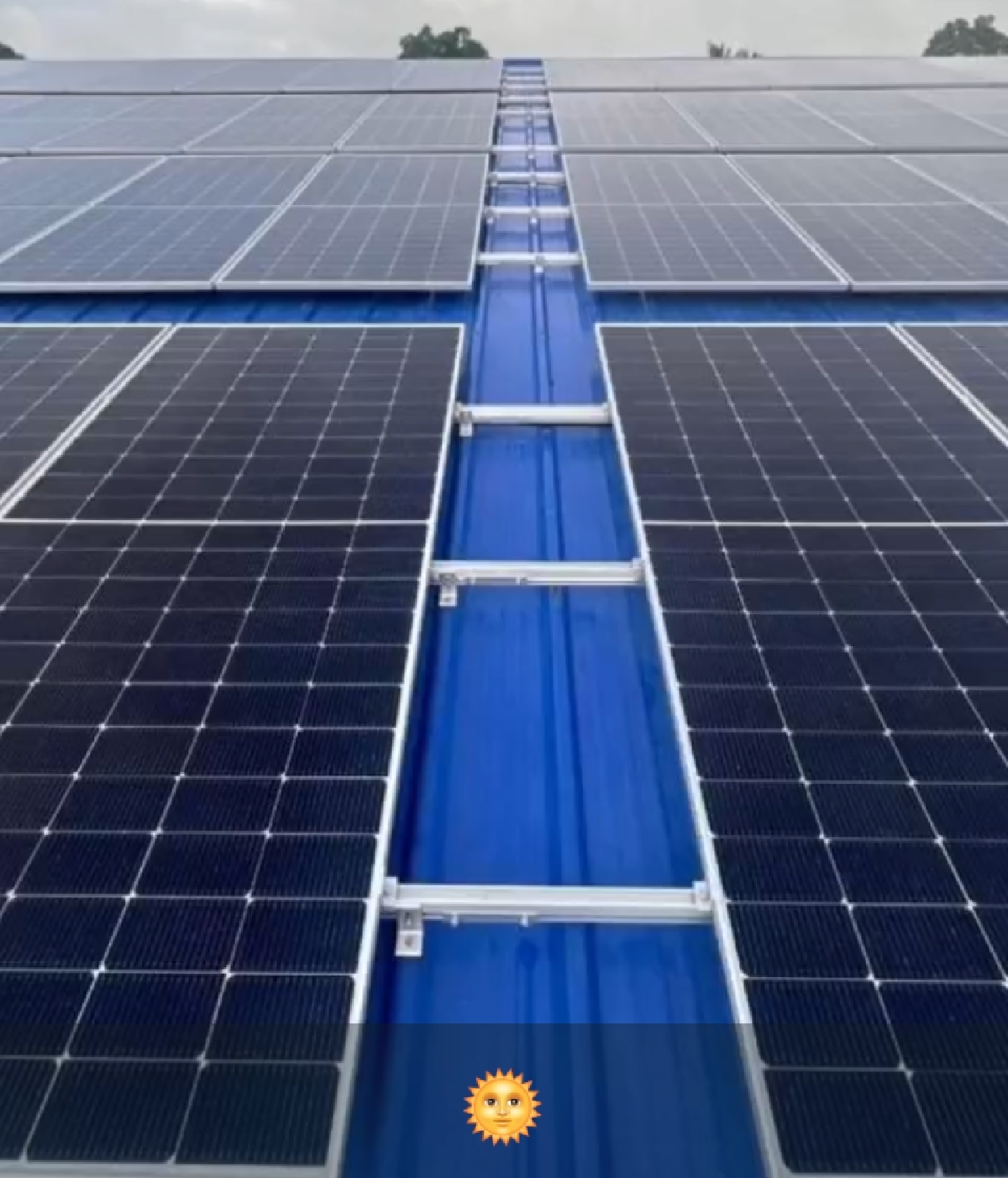
Is Installing Solar Worth the Cost? 6 Key Benefits, Incentives & Long-Term Savings Explained
Installing solar is a major financial decision, and many homeowners and businesses are still asking the same question: Is solar energy actually worth the upfront cost?
With rising electricity prices, changing government incentives, evolving net metering policies, and improvements in battery and inverter technology, the economics of solar power vary from country to country.
In some regions, solar significantly reduces long-term electricity bills and increases property value. In others, reduced incentives and lower grid export payments have changed the payback period when compared to previous years.
This guide breaks down the six most important reasons why installing solar energy is still considered a strong investment and ultimately the best choice due to:
- Rising electricity costs
- Tax incentives and solar subsidies
- Property value impact
- Energy independence and backup power
- Net metering and export billing systems
- Environmental benefits
After reading this article, you will understand whether solar is financially and practically worth it for your home or business in today’s energy market.
Why Installing Solar Is The Best Choice
"Is going solar worth it?" This is one of the major questions asked by prospective solar users when they first learn of the huge financial cost of installing solar energy systems in their properties, after getting interested in the idea of an independent and constant supply of renewable energy.
As a homeowner or person in business, every investment should have a core reason that will justify its financial commitment, especially when the cost is high, and this principle also applies when looking to go solar.
In this article, we will give you six broad reasons why you need to install solar for your homes and businesses, and why the investment is actually still worth it in 2026
1. Rising Electricity Utility Rates
If you want to safeguard yourself against the ever-rising cost of energy bills now and for many years to come, especially during peak periods, your only bet is to go solar.
In the United States, the average residential electricity rate has climbed from $0.13 to over $0.18 per kWh, with states like California and Massachusetts recording spikes of over $0.33 per kWh. In Nigeria, especially with the introduction of Band A metering, many areas have seen NEPA/PHCN rates jump about 230% from ₦68 to ₦225 kw/h.
With the introduction of hybrid inverters that allow solar/battery/grid prioritization, you can run your home on solar and battery and only use the grid as backup.
We developed a Solar Savings Calculator that helps you estimate your daily energy consumption and monthly electricity utility bill, then recommends a solar size and shows you how much you can potentially save by making the switch.
Also, with the technological advancements in solar components - lithium batteries lasting 10-15 years, solar panels lasting 40-50 years, hybrid inverters lasting about a decade, going solar is the best way to save the ever-rising compounded costs of paying for grid electricity all through these years. These long-term investments pay for themselves while holding value.
2. Tax Exemption & Subsidy
Under the former US Residential Clean Energy Credit, homeowners going solar claimed a 30% federal tax credit on the entire cost of the solar system, including batteries. However, this scheme ended on December 31, 2025, for residential solar, and is only available now for commercial solar projects.
However, new users can indirectly enjoy this benefit through lower costs from the company that supplies or leases their solar equipments who would have claimed those commercial tax credits and pass the savings onto the final user.
While the Federal tax claims are directly out of reach in the United States, these states still offer various degrees of Solar Property Tax Exemptions to further speed up the payback period and make it worth it to the property:
- Arizona
- California
- Colorado
- Florida
- Illinois
- Indiana
- Maryland
- Michigan
- Minnesota
- Missouri
- New Jersey
- New York
- North Carolina
- Ohio
- Oregon
- Rhode Island
- Texas
- Virginia
Other major countries that offer a kind of tax incentive or subsidy on solar installations are: Italy, Spain, Poland, Australia, and Germany (0 VAT).
3. Solar Installations Increase The Value Of Your Property
Would you rather buy a standalone home or one with an installed solar energy system? Property assessors, investors, and prospective buyers are more interested and can pay more for homes with solar installed because of the benefits of lower expenses.
Properties with solar also provide a higher worth that can be used as collateral when taking loans.
4. Uninterrupted Power Supply
Going solar ensures you have your own steady supply of electricity, irrespective of what happens to the national grid. This is very important in third-world and developing countries with epileptic and poor electricity supply.
Having your own source of power backup also comes in handy in developed nations in times of sudden national emergencies and catastrophic grid failures. Solar owners are energy independent without the reliance on generators with their inherent noise and fuel dependency.
5. Solar/Grid Net Metering & Billing
In countries and states that allow this, this is another big benefit of going solar. With net metering, solar owners are able to sell excess and unused electricity generated by their solar panels to the utility grid, which will be netted off from what they use at other times, like nighttime.
This is made possible by grid-tied hybrid inverters. This system further speeds up the payback period for going solar and makes it more worth the investment.
Most countries/states, like California, do not offer a 1:1 net metering. That is, the value of the electricity unit you export is lower than what you pay for when you use it.
In the UK, large electricity utility providers set their own rates and pay for excess from solar homeowners under the Smart Export Guarantee (SEG), with rates ranging from 5p to 15p per kWh.
Germany practices net metering through its Energiewende Feed-in Tariff (FiT) model, where solar owners enter a specific, state-guaranteed payout rate for 20 years for unused solar energy that roughly sits at 8.11 cents (€0.081) per kWh.
Nigeria, unfortunately, even with the poor to almost non-existent power supply in some places, net metering is not practiced. Hopefully, with the provision of the right infrastructure, this arrangement can kickstart towards ending the energy crisis in the country.
Meanwhile, countries like Brazil, Canada, Italy, Australia, Mexico, and India still offer a high net billing/feed-in tariff system.
6. Environmental Benefits
If you care so much about the earth, then joining in the green revolution by going solar reduces the impacts of environmental pollution - air and noise pollution, and carbon emissions from running individual electricity-generating sets.
Conclusion
Investing in solar remains one of the best decisions any homeowner or business can do this 2026 and beyond. Although the value of the returns and payback period depends on the location, government policy, and consumption patterns, the core benefit to the owner, which is energy independence, is standard.
Going solar is no longer just an environmental choice; it is a financial and energy security decision. For many households and businesses, it is a strong hedge against rising utility costs and grid instability.
In our next article, we will be comparing the long-term financial cost implications and savings of going solar and running on fuel-powered generators.
Related Articles
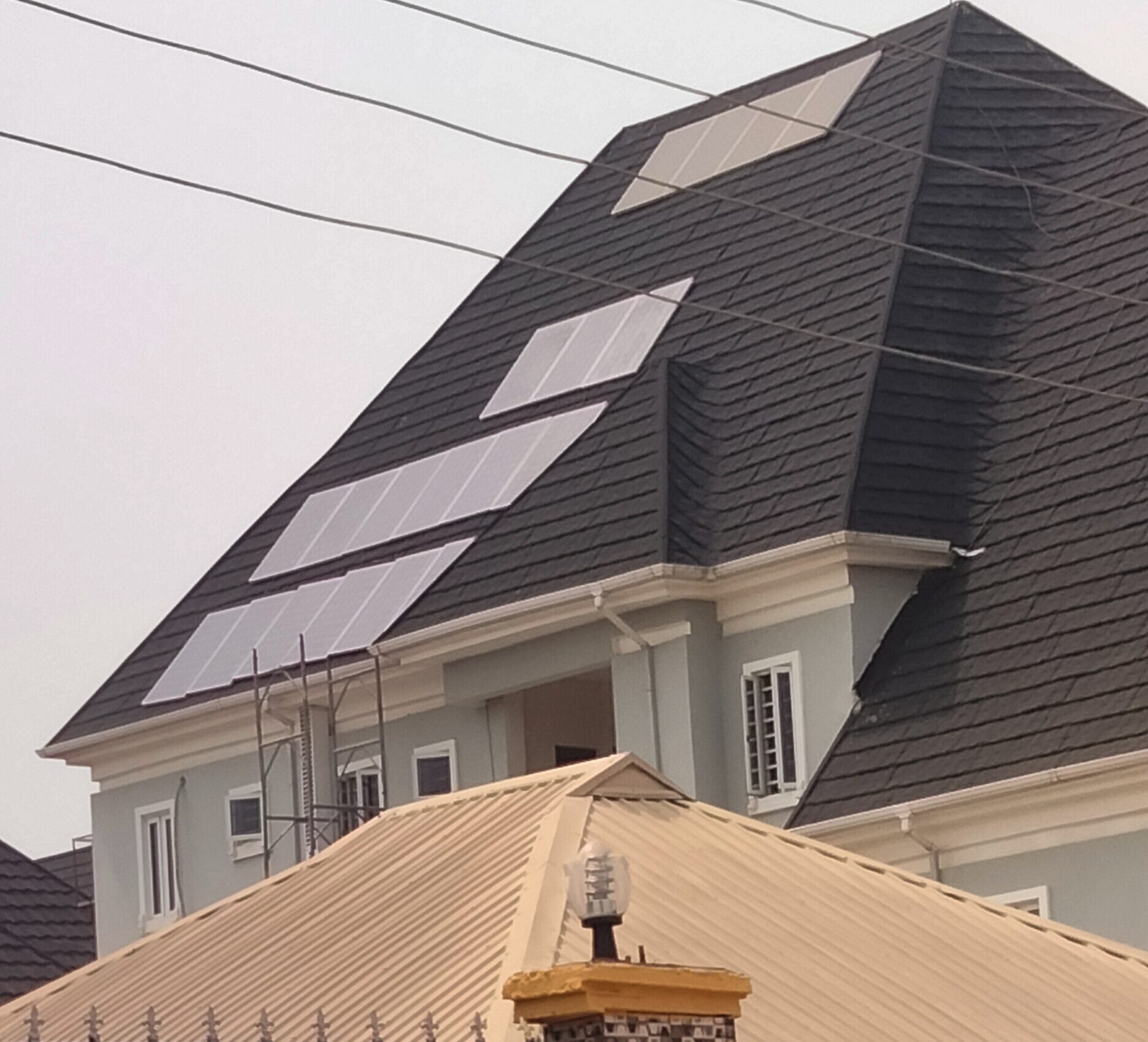
Is Your Steep Roof Pitch Killing Your Solar Panel Energy Output? Why Positioning, Tilt Angle & Direction Matters
Without beating about the bush, the answer is yes. A very steep roof inclination, such as the popular "send down the rain roofs," can reduce...
.jpg?alt=media&token=91242084-a1f9-4063-8ecd-322bf057a2e4)
Why the itel Power Tank, Cola, & Other Solar Generators Won't Last as Long as You Think (Real-World Review)
No doubt, the itel Power Tank is one of the most popular brands of all-in-one solar generators that have taken over the Nigerian solar industry. Its l...
What To Look Out For In A Credible Solar Quote / Estimate
A Solar Quote Is More Than Just a PriceShopping for a solar energy system is fundamentally different from buying standard household appliances. When y...