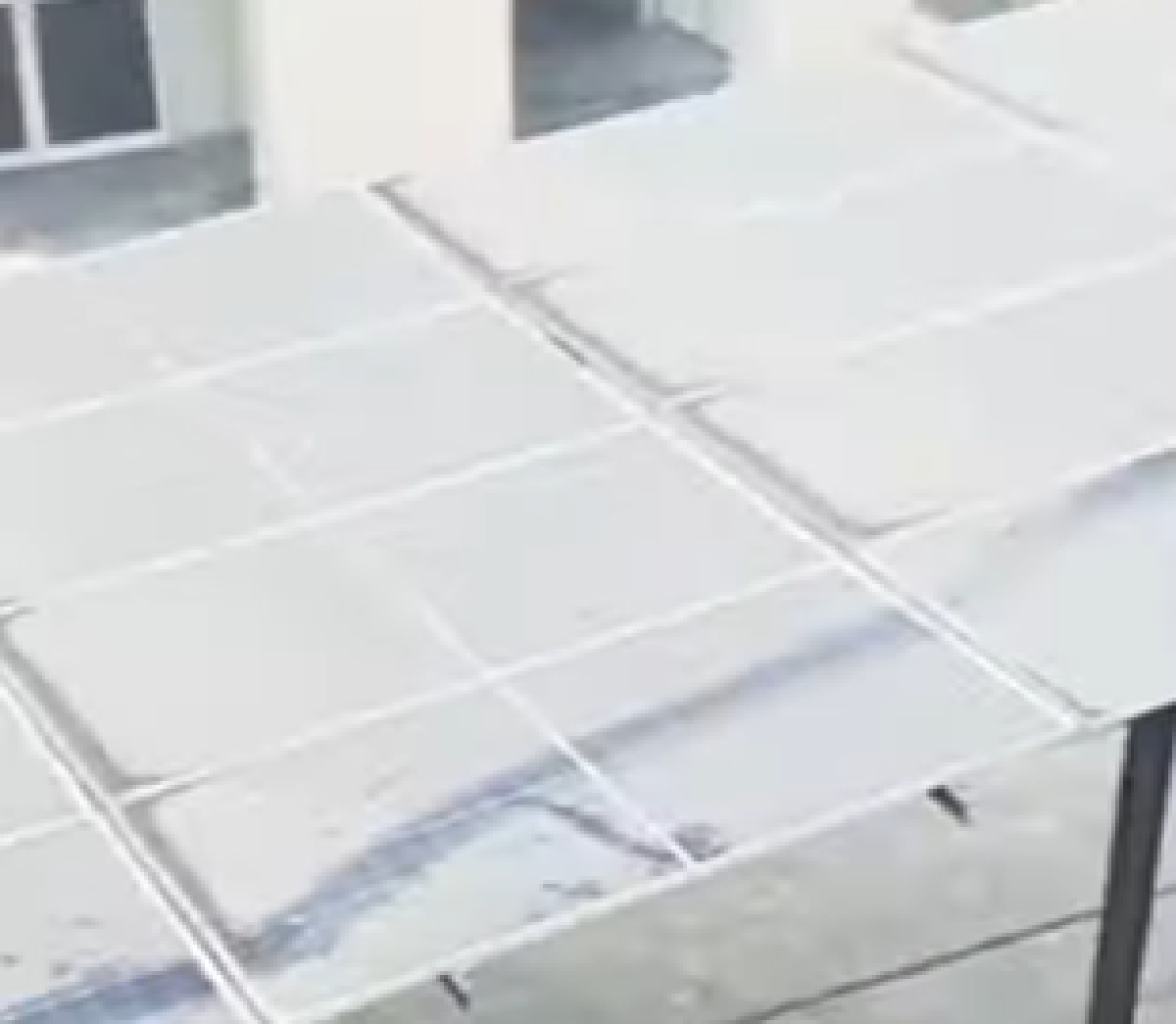
DIY Guide: How Cleaning Dirty Solar Panels Ensures Full Power, Lifespan & Safety
Solar panels are designed to last for many years under harsh weather conditions while generating clean energy. However, one maintenance task that many solar system owners overlook is solar panel cleaning. Over time, dust, dirt, bird droppings, pollen, leaves, industrial pollutants, and other debris cover the surface of solar panels. Although this buildup may look harmless, it can greatly reduce solar power, create fire risks, and even shorten the lifespan of the solar panels themselves.
Solar panel cleaning can help you protect your investment and maximize energy output for years, whether it is a residential or commercial solar installation, although ground-mounted installations and panels laid out flat on flat surfaces have higher rates of debris buildup and will need shorter cleaning schedules.
Why Solar Panel Cleaning Is Important
Solar panels generate electricity by capturing sunlight through photovoltaic (PV) cells. Anything that blocks sunlight from reaching these cells reduces the amount of electricity the system can produce. A layer of dirt might have little effect, but over time, accumulated debris can have a big impact on the solar panels' performance and overall system health.
Read - Aiko's anti-shading panels solution to debris and shades.
Improved Energy Production
The primary purpose of solar panel cleaning is to ensure that panels receive as much sunlight as possible. When dirt, dust, or bird droppings and leaves cover parts of the panel, sunlight is blocked from reaching the solar cells beneath, and this can result in lower power generation and efficiency and longer payback periods.
In regions that have seasonal dry weather like harmattan, which comes with heavy dust, pollution, or minimal rainfall, energy losses become very noticeable if panels are not cleaned regularly. In our experience, these periods come with solar users calling to complain that their batteries do not last as long as normal. Trees shed their leaves during autumn and release pollen at their peak in spring, so the timing of solar panel cleaning for users in these regions should incorporate these seasons.
In this situation, nothing is wrong with the batteries. They are simply not getting enough charge, hence the shorter backup times. In extreme cases, complete power failure can occur during the day.
Prevention of Hot Spots
One of the unknown risks of dirty solar panels is the formation of hot spots. We discussed this extensively in this guide on the causes of solar panel fires.
Hot spots occur when a portion of a solar panel becomes shaded or obstructed while the surrounding cells continue producing electricity. The affected area can overheat and can result in permanent panel degradation, premature aging, and lower output.
Solar panels installed on roofs near treetops or areas that have high bird activity are at higher risk due to falling leaves and bird droppings, which are particularly problematic because they create concentrated shading that can contribute to this issue.
Enhanced Safety
Dirty solar panels also reduce the ability to see and notice physical faults on their surfaces, like hotspots (discussed above) and snail trails, which are lines of discoloration due to water ingress in tiny cracks.
Snail trails can arise as a result of manufacturing defects or rough handling. When dust and dirt hide these issues from being seen on time, the owner can lose claims to warranty due to the passage of time. It also causes further damage to the solar panel itself. In summary, keeping solar panels clean makes it easier to spot physical damage before it develops into a larger issue.
Longer Panel Lifespan
Solar panels are built to last 25 years or more, but neglecting maintenance can shorten their useful life and efficiency due to the risks of the formation of hotspots as discussed above. When these neglects and subsequent damages occur, it can void warranty claims.
Better Return on Investment
Solar installations require a significant upfront investment. Regular maintenance, including panel cleaning, helps ensure the system continues operating at its best. Higher solar energy production results in increased electricity savings from the grid, which means lower utility bills. In areas where net metering is practiced, solar owners will even earn money from excess energy exports.
Solar System Owners Who Need More Frequent Cleaning
Not all solar panels need the same cleaning time schedule. This is because some environments have higher levels of contamination than others. Solar installations near busy roads, agricultural and factory areas will become dirtier faster due to soil dust, exhaust fumes, and other contaminants. Solar installations in dry and hot regions, as well as coastal regions, will also need cleaning at an earlier date.
The exact spot where the panels are situated also determines how fast dirt build up can occur, which will necessitate shorter cleaning times. Panels surrounded by trees or rooftops that have high bird activities are affected by this due to falling and dry leaves and seeds, bird droppings, and other dirt.
How Often Should Solar Panels Be Cleaned?
There is no universal cleaning schedule. If you expressly don't fall into the category of owners that will need more frequent cleaning as discussed above, an ideal time period will depend on the following:
- Solar panel inclination: The degree of solar panel inclination will affect how much dirt can stay on its surface. A steeply inclined panel (on a steep roof or on a steep ground mount) can generally stay for a longer time without cleaning than solar panels mounted on a flat surface or just lying flat.
- Local climate: Dry and hot regions will need shorter cleaning intervals.
- Rainfall patterns: regular rainfall generally washes panels clean.
- Dust levels: Hot and arid regions with no rainfall will have increased dust levels and need frequent cleaning.
- Nearby vegetation: Look out for bird activities.
- Air pollution levels from construction work, such as roads, factories, farms, etc.
However, a general guideline is:
- Low-dust environments: Once or twice per year
- Moderate contamination: Every 6 months
- High-dust or industrial areas: Every 2–4 months
Many solar owners also perform visual inspections monthly and clean whenever noticeable dirt buildup appears.
DIY Solar Panel Cleaning: How to Do It Safely
For accessible installations, many homeowners choose to clean their solar panels themselves. But before you start, always prioritize safety.
We strongly advise against DIY cleaning if your panels are difficult to reach or installed on a steep roof. However, if your panels are easily accessible, these are what you will need to clean them by yourself:
- Soft brush or sponge
- Garden hose with gentle water pressure
- Soft microfiber cloth
- Bucket of clean water
- Mild, non-abrasive soap, if necessary
Then you follow these cleaning steps:
1. Turn off the inverter/solar system
2. Clean during cooler hours, like early morning or evening
3. First, use clean water to remove loose dust and debris before scrubbing.
4. Then gently wash the surface using a soft sponge or a brush and water. If there are tough stains, use a mild soap.
5. Never use excessive force or metal to scrape stains off the surface due to the risk of damaging the glass. Some stains, like bird droppings, can harden and might require you to soak it and allow them to stay for a while before scrubbing them off.
6. Thoroughly rinse away, ensuring there is no soap residue on the surface.
After following these steps, the panels will dry out naturally. Do not attempt to wash the underside of solar panels; it is unnecessary and has no effect on power generation, and you risk damaging the diode. If it is dirty to the eyes, you can mildly clean it with a soft cloth, but do not spray direct water on it.
When to Hire Professional Solar Panel Cleaners
Professional cleaning services are the safest and most effective option. You should consider calling a reputable solar company near you for professional cleaning services when:
- Panels are installed on steep roofs
- The system is difficult to access
- Heavy contamination is present
- Bird droppings cover large sections of the array
- Tree sap has hardened on the surface
- You notice performance losses despite cleaning
- Large commercial systems require maintenance
Signs Your Solar Panels Need Cleaning
Aside from physically seeing dirt accumulation through dust, leaves, bird droppings, and other forms of debris, lower-than-normal solar energy production and system performance are signs that your solar panels might need some cleaning.
If you have a modern inverter, you can see the total energy produced by your panels during the day, and you can also monitor it remotely with the right apparatus. You can also compare the solar power generation before and after cleaning the panels to appreciate the effect of the work done.
It is also best to clean your panels during dry and dusty seasons and situations and immediately after the season or events end, so they start working at optimum capacity as soon as possible.
Does Rain Clean Solar Panels?
Rainfall can help remove loose dust and light dirt, but it is not a complete replacement for solar panel cleaning because rainwater cannot effectively wash away some mineral deposits, bird droppings, and sticky substances.
Additional Solar Panel Maintenance Tips
Cleaning is only one part of solar panel maintenance. To ensure you get the most out of your solar panels in terms of daily solar energy production and lifespan, you should conduct regular inspections, which include:
- Checking for cracks or physical damage
- Inspecting mounting structures
- Examining wiring connections
- Monitoring inverter performance
- Looking for signs of corrosion
- Ensuring proper drainage around panels
When you do both cleaning and routine inspections, you can quickly identify problems before they become costly repairs.
Summary
Solar panel cleaning is a simple but very important maintenance practice that protects both the performance and longevity of a solar energy system. While dirty panels can reduce electricity generation, they can also lead to the formation of hot spots, accelerate wear, create safety concerns, and shorten the lifespan of this valuable solar equipment.
By having a suitable cleaning schedule, performing safe maintenance practices, and hiring professionals like Solar Valley Ltd when necessary, solar system owners can maximize energy production, preserve system durability, and protect their investment for decades to come.
In essence, clean solar panels not only generate more power, but they also help ensure a safer, more reliable, and longer-lasting solar energy system.
Related Articles
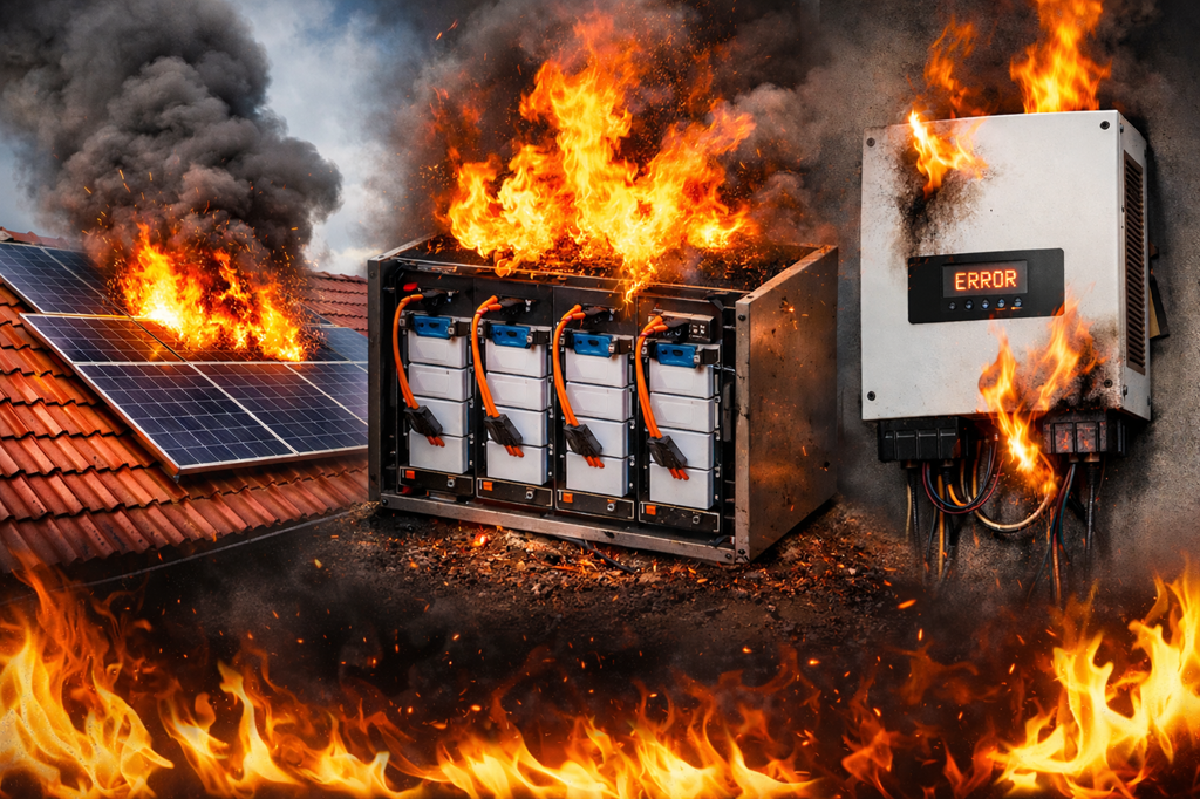
Causes Of Solar Panel Fires, Battery Explosions & Burning Inverters - Prevention & Safety Guide
There are cases of explosions and fire outbreaks due to solar power installations. Despite the exponentially number of solar installations (about 0.2 ...
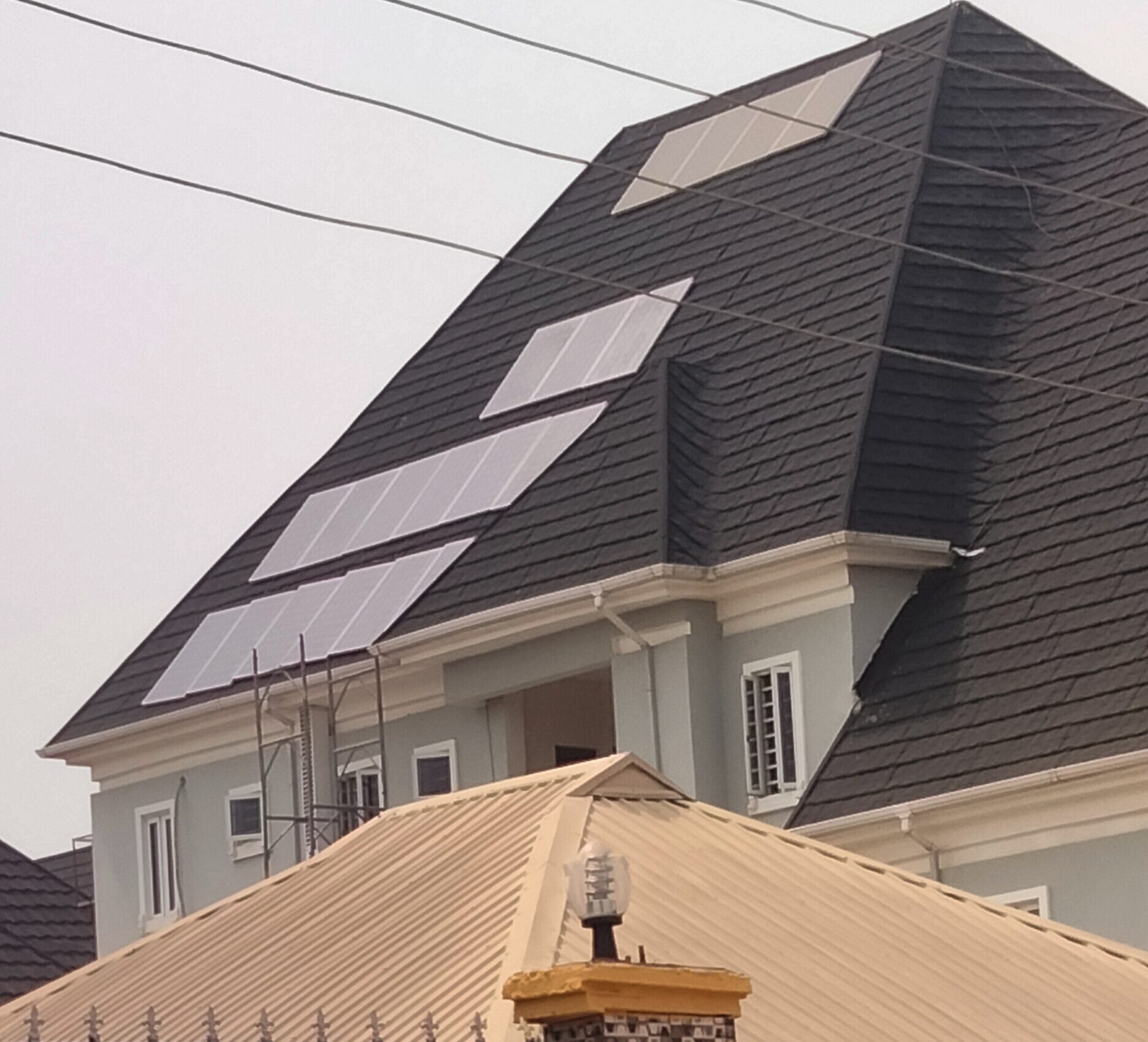
Is Your Steep Roof Pitch Killing Your Solar Panel Energy Output? Why Positioning, Tilt Angle & Direction Matters
Without beating about the bush, the answer is yes. A very steep roof inclination, such as the popular "send down the rain roofs," can reduce...
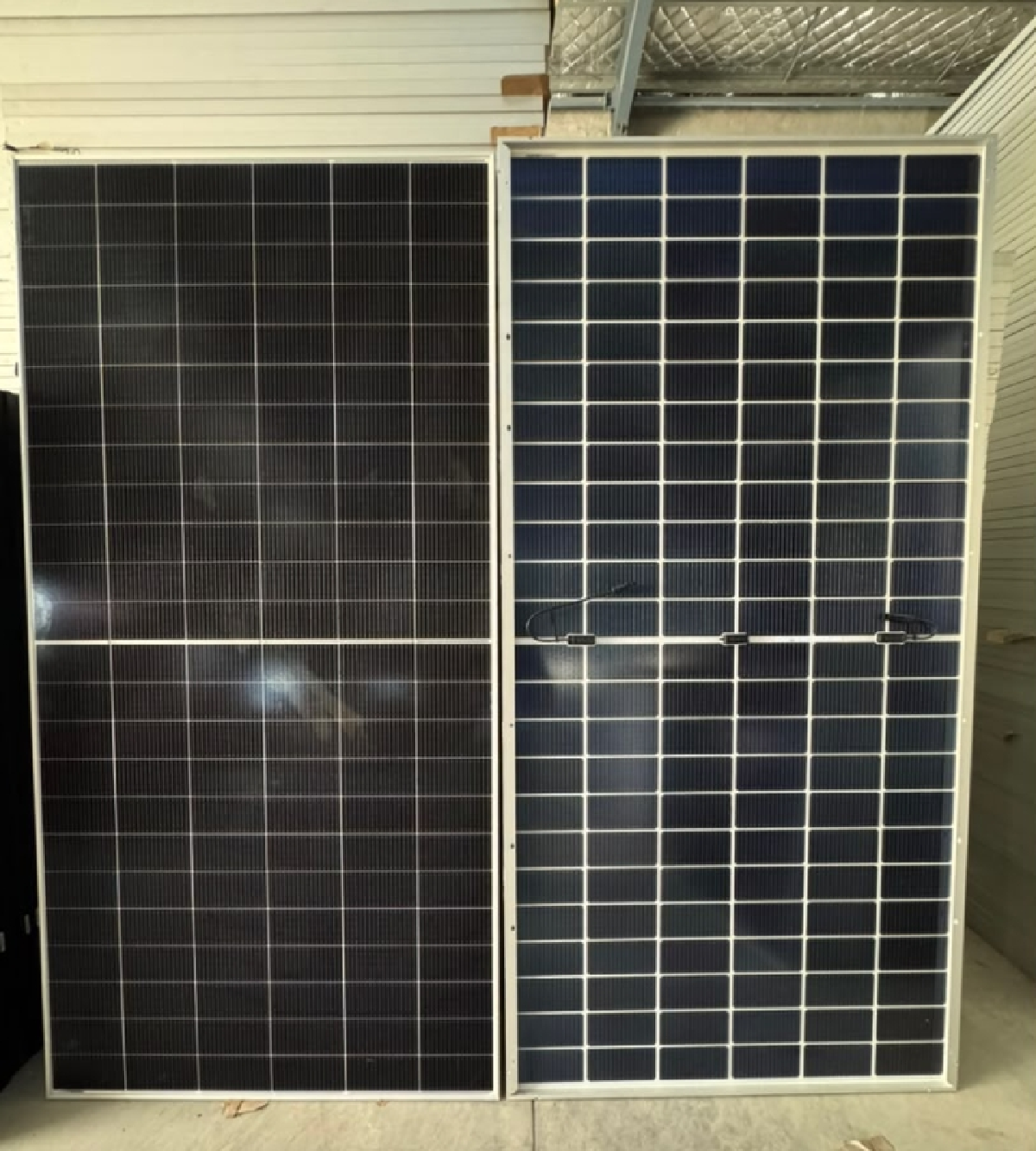
Maxeon, Aiko, LONGi, Leads Top 10 Best Solar Panel Brand
Choosing the best solar panel brand is more than comparing watt size or prices. A high-quality solar panel should produce a considerable amount of out...