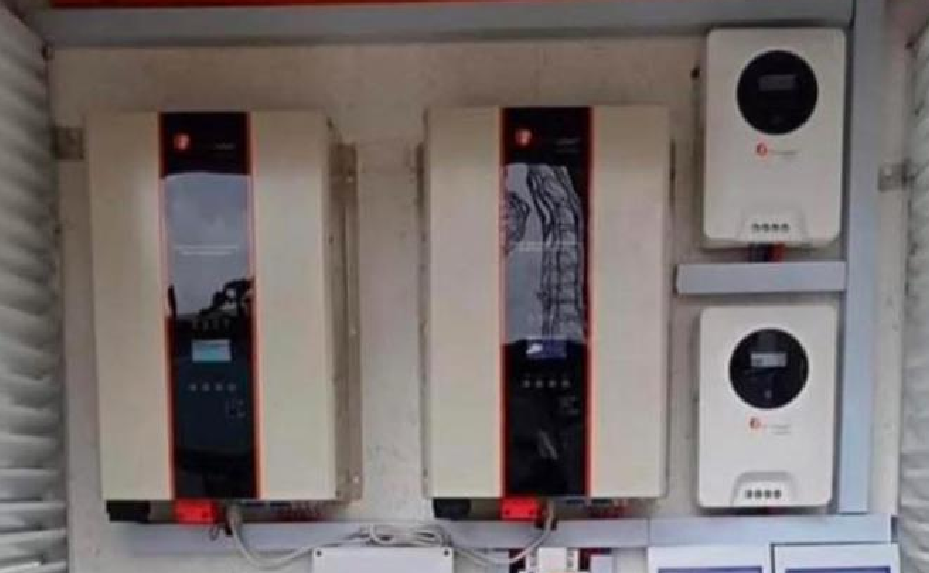
Felicity IVPM, IVEM & IVPS Inverter Meanings & Key Differences Explained
IVPM, IVEM, and IVPS are terminologies invented by Felicity Solar to categorize their types of inverters based on either one or a mix of the following options:
1. Transformer-based
2. Transformerless-based
3. Inbuilt MPPT solar charge controller (Hybrid)
Before we go into describing what each of the product series codes (IVPM, IVEM, and IVPS) means, let's make sure you have a good understanding of the very options that make their differences
1. Transformer-Based
An inverter is said to be a transformer-based inverter, also known as a low-frequency inverter, when it uses a heavy-duty copper-core transformer to convert DC (direct current) battery power to AC (alternating current) power for use.
These types of inverters are much heavier, bigger, and able to handle surges from inductive loads such as ACs, pumps, etc. Their inherent heavy-duty makeup makes them better at handling voltage surges and spikes, electrical noise, wiring errors, unstable current, and overloading.
These favorable features of theirs make them more durable than the transformerless inverters, but at a cost - they are less efficient in energy conversion.
2. Transformerless Based
An inverter is said to be a transformerless inverter or high-frequency or high-voltage inverter when it makes use of advanced electronics for the current conversion from DC to AC, instead of a heavy-duty transformer.
Their computerized mechanism makes them much lighter and more efficient in energy conversion and usage. They are usually cheaper and trendy now, but their inherent makeup makes them susceptible to voltage spikes from the grid and lightning. They also rank lower than their transformer-based counterparts in handling surge demands, overloading, and general electrical/wiring issues.
However, with the installation of external protections like surge and volt protectors and breakers, transformerless inverters can last up to their lifespan.
3. Hybrid Status (Inclusion of An Inbuilt MPPT Solar Charge Controller)
An inverter is said to be hybrid if it has a solar charge controller built into it, which enables solar panels to be fed directly into it. The solar charge controller can be a PWM or a more advanced MPPT charger.
A hybrid inverter can intelligently combine solar power and grid or battery power to power its load, making it superb for reducing electrical bills and providing quick returns on investment.
A hybrid inverter can come in the form of a transformer-based or transformerless high-frequency inverter. Felicity Solar inverters with this option under this topic only make use of the MPPT solar charge controller.
We have a guide where we extensively compared a transformer-based and a hybrid-transformerless inverter. Are you a visual learner? You can watch it on YouTube!
Having understood what a transformer-based, transformerless, and hybrid inverter is, we can now describe what IVPM, IVEM, and IVPS refer to.
IVPM
These refer to hybrid transformer-based inverters. That is essentially a transformer-based inverter discussed above with an inbuilt MPPT solar charge controller that makes it perform the cost-saving functions of a hybrid inverter.
This type of inverter has both the advantages and disadvantages of a transformer-based and a hybrid inverter. Because they are low-frequency inverters, you should not series your solar panel connections like the high-voltage counterparts that can reach 400V. Always check the maximum VoC rating of the model.
IVEM
These types of inverters are transformerless (high voltage or high frequency) inverters that also have the hybrid solar MPPT technology inbuilt.
This inverter has both the merits and drawbacks of the transformerless inverter and the hybrid inverter. They support high-voltage solar panel connection, and their minimum and maximum open circuit voltage depend on the model of the inverter, but can reach 450-500VDC.
IVPS
These are non-hybrid transformer-based inverters. They are standalone heavy-duty inverters that require an external solar charge controller to charge the batteries using sunlight.
Because of their separation, a fault with the solar charging system will not affect this inverter, as it will continue to function with the grid and battery power.
So now that you fully understand the key difference between Felicity's IVPM, IVEM, and IVPS inverters, which would you prefer?
Related Articles
%20%26%20How%20They%20Work.png?alt=media&token=f317fe7d-7cbe-43f3-b710-77b9d7e0a876)
Solar Power Components Explained (Panels, Inverter, Controller, Battery) & How They Work
Almost everybody knows about solar energy systems, but not everybody knows about the major components and how each of them interacts and works with th...
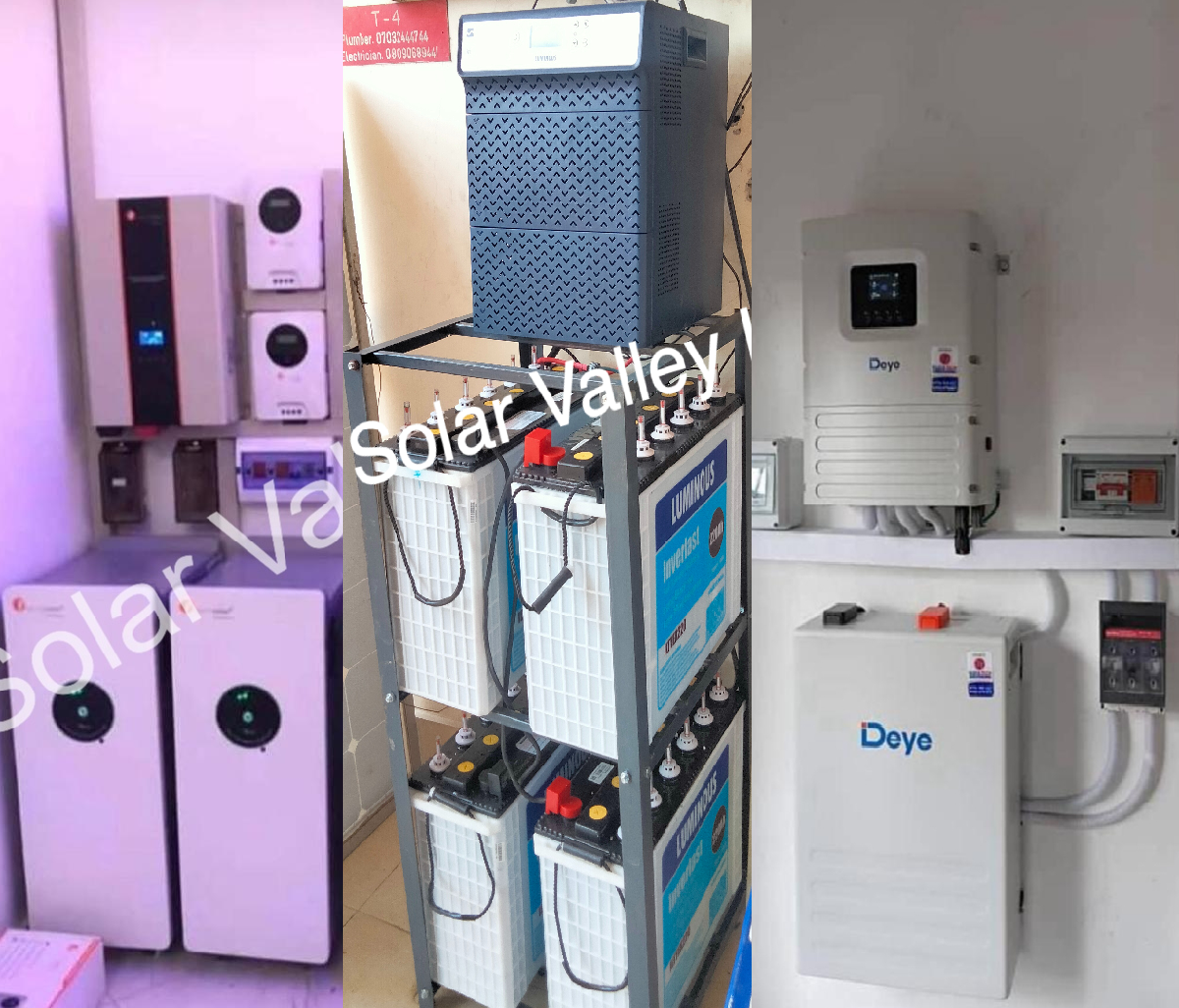
Felicity vs Luminous vs Deye: The Ultimate Comparison For Nigerian Solar Buyers
If you have been following Nigeria's solar industry, you would know that it has changed drastically over the last few years. The solar energy mark...
%20%26%20Smart%20Tariff%20Arbitrage.png?alt=media&token=64366d39-46c1-4cf3-99e1-af78838dcff4)
How to Configure Inverter Negative Tariff Mode (Growatt, Deye, Victron Setup) & Smart Tariff Arbitrage
When home solar energy system was first developed, the main goal was simple: capture sunlight, power the house. Then, hybrid inverters came that can f...